
لارية سيلان من الفضة Ceylon silver laurels

رقم العملة: 1
| لارية سيلان من الفضة
Ceylon silver laurels |
| بدأ استخدام هذا النوع من المسكوكات في الخليج العربي مطلع القرن العاشر الهجري الموافق للسادس عشر الميلادي. ضربت من الفضة وأطلق عليها اسم لارية (larins) نسبة لمنطقة لار بسواحل فارس حيث كانت بدايتها.
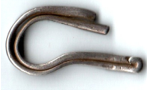
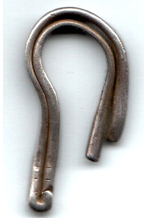
بعد ذلك، انتشرت العملة على سواحل الخليج وامتدت لتصل لسواحل القارة الهندية. حيث وُجدت قطعة نقد لارية لإسماعيل شاه الصفوي (907هـ -930هـ/ 1503م- 1524م) ضرب كمرون، وملوك هرمز منذ حكم توران شاه (950- 970هـ/ 1543- 1563م) حيث سكت اللارية باسمه. وكذلك سواحل الهند حيث سكت بدابل منذ عام 986هـ وبيجابور وكذلك بسيلان، والتي عثر بها على مجموعة من اللاريات الفضة المختلفة غالبيتها قد ثنيت اطرافها بشكل دائري لتأخذ شكل علامة استفهام. أطلق على هذا النوع من اللاريات اسم صنارة السمك في بعض المناطق. ثم سكها العثمانيون بعد قرن ونصف من احتلالهم البصرة (عام 954هـ) حيث سكت باسم سلطان سليمان خان (1099-1102هـ/1687-1691م) ونقش عليها أيضاً سلطان البرين وخاقان البحرين السلطان ابن السلطان ثم ضربت بالأحساء من معدن النحاس والفضة على يد العثمانيين. ويُستشهد على ذلك لوجود اسم السلطان أحمد بن محمد خان (1115 – 1143هـ/ 1703 – 1730م) على أحد المسكوكات. كما عثر بجزر المالديف على هذا النوع من المسكوكات بطراز عثماني أيضاً، نقش عليها (سلطان البرين وخاقان البحرين) أغلب المدن التي تداولت عملة اللارية هي مدن ساحلية أو موانئ تجارية واقعة على خط تجاري، وهي: كمرون، هرمز، دابل، بيجابور، البصرة، الإحساء وميناؤها العقير، جزر المالديف وسيلان، بالإضافة إلى منطقة لار المنسوبة إليها هذه السكة. وبما أن لأغلب تلك المدن سكة خاصة بها ومختلفة عن الطويلة أو اللارية، فإن المُرجَّح أن اللارية هي نقد وضع للتبادل التجاري فيما بينها لتسهيل وتفادي اضطراب الصرف. |
|
This type of coin began to be used in the Arabian Gulf at the beginning of the 10th century AH (16th century AD). It was minted from silver and called “larins,” after the Lar region on the Persian coast where it originated. Subsequently, the currency spread along the coasts of the Gulf and extended to the coasts of the Indian subcontinent. A Lari coin was found belonging to Ismail Shah Safavi (907-930 AH / 1503-1524 AD), minted in Cameron, and the kings of Hormuz, starting from the reign of Turan Shah (950-970 AH / 1543-1563 AD), minted in his name. Similarly, along the coasts of India, where coins were found in Dabul as early as 986 AH, as well as in Bijapur and Ceylon, a collection of various silver larites was discovered, most of which had their ends bent in a circular shape resembling a question mark. This type of larite was called a “fishing hook” in some regions. Then the Ottomans minted it a century and a half after their conquest of Basra (954 AH), where it was minted in the name of Sultan Suleiman Khan (1099-1102 AH/1687-1691 AD), and it was also inscribed with the words Sultan of the Two Lands and Khagan of the Two Seas, Sultan son of Sultan. Then it was minted in Al-Ahsa from copper and silver by the Ottomans. This is evidenced by the presence of the name of Sultan Ahmed bin Muhammad Khan (1115-1143 AH / 1703-1730 AD) on one of the coins. This type of coin, also in the Ottoman style, was found in the Maldives, inscribed with “Sultan of the Two Lands and Khagan of the Two Seas.” Most of the cities that used the lari currency were coastal cities or trading ports located on trade routes, namely: Cameron Highlands, Hormuz, Dabul, Bijapur, Basra, Al-Ahsa and its port of Al-Uqair, the Maldives and Ceylon, as well as the Lar region to which this currency is attributed. Since most of these cities had their own currency, distinct from the Tawila or Lariya, it is likely that the Lariya was a currency established for trade among them to facilitate exchange and avoid currency fluctuations. |